18th October 2026
Remembering Rightly
History, it is said, is written by the victors. We know more about the Roman Empire than about the many cultures and civilisations the Romans replaced simply because of the volume of written material - letters, literature, history - that survives in Latin. Almost all of this material presents the Romans as a civiilsing force, conquering barbarians and establishing the Pax Romana (peace of Rome) throughout the world... never mind that this peace came at the cost of huge armies, public crucifixions and mass destruction.
As we continue to reflect through Black History Month, those of us from white European heritage are invited to reflect on our own history. Perhaps inspired by the heroes of their storybooks or Latin lessons, men went out across the world imposing white British culture on flourishing cultures and civilisations. And, for a long time, the only stories that came back were white stories. In the late 1980s, in GCSE History, I still learnt about the "Scramble for Africa" as a story of daring adventurers penetrating deep into undiscovered countries. It is only in very recent years that the hugely problematic aspects of that history have started to be explored in any detail.
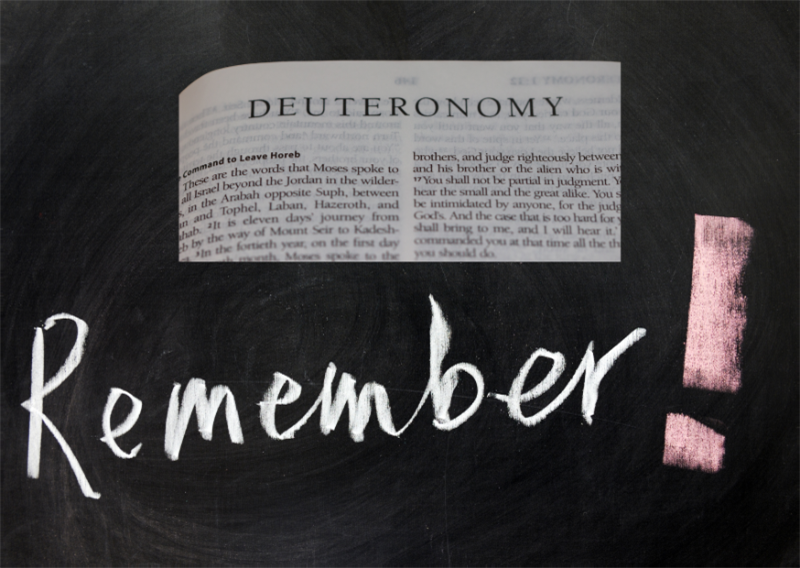
In the book of Deuteronomy, the Israelites stand on the threshold of entering the land God has promised them, from which God has promised to drive out their enemies. Moses enjoins the people to remember. When they are full and satisfied and enjoying the fruit of vineyards they did not plant, fields they did not till, livestock they did not breed, they are to remember that their plenty comes only by the gift of God (Deuteronomy 8). But they are also to remember the years in the wilderness. In Deuteronomy 9, Moses reminds the Israelites that they are in no way morally superior to any other nation. In fact, they are a "stubborn people" (v6), who have provoked God to anger many times in the wilderness - by their constant grumbling, by their lack of faith in God's provision, in God's power. The people gathered before Moses are called to remember and to repent.
And yet, that generation who rebelled persistently in the wilderness have died. Moses is speaking to a new generation, to their children and grandchildren. Why should they be held to account for sins in which they had no part? To us, it seems strange, but biblical repentance involves corporate solidarity as well as individual turning back to God. It is not unusual for repentance in the Bible to include repentance for sins of one's ancestors (eg. Nehemiah 1, Daniel 9). There is an understanding of morality that accepts that weaknesses are passed down between the generations, and that the consequences of sin reach down beyond the time in which they are committed, to affect generations to come.
In our service for Black History Month on Sunday evening, there will be an opportunity for repentance of the sins of our colonial past - of the violence done to communities, of cultures damaged by racist ideology, of the Atlantic slave trade - as well as the continuing sins of racism and modern slavery in our own society. It's not about piling on guilt for stuff over which we had no control. It's about remembering our part in a history which stretches backwards as well as forwards, remembering rightly, facing the past with courage, in order that, in God's strength, we can turn towards a more just and equal future with confidence and hope.

15/10/2026