23rd August 2026
Summer Holiday Reads:
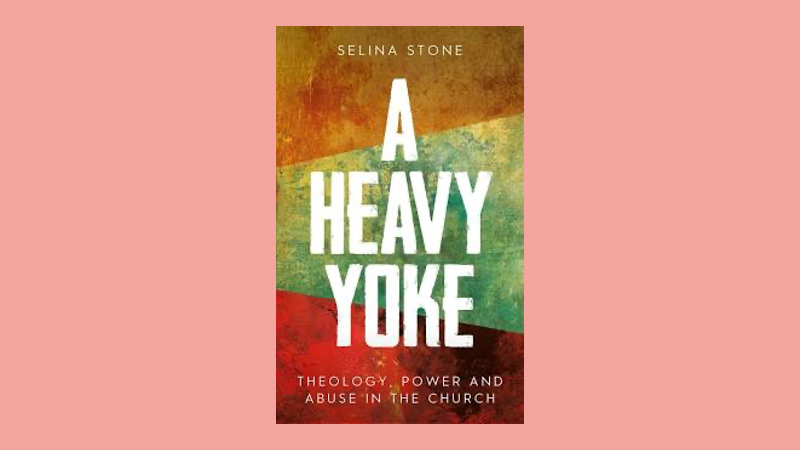
A Heavy Yoke: Theology, Power and Abuse in the Church
- Selina Stone
Again, a health warning: this is not really the sort of book you will want to take to the beach. You probably realised this from the title. This is, I would say, a tough but important read from Selina Stone. It's dedicated to victims and survivors of church based abuse - "those who have survived, those who have not, and those who have only in part" - and is an attempt, in the light of the many stories coming to light of abuse within the church, to grapple with a vital question: are these stories evidence of individual failings, of personal sin? Or do they reflect something more? In this book, Selina Stone argues that there is something more going on - namely, that Christian theology itself can be presented in ways that normalise abuses of power.
Stone contends that, beneath the surface of many of our disagreements and debates, culturally as well as in the church, power often lurks beneath the surface: who holds the power, who is seeking more power, and who is being prevented from holding power. Our Christian faith has been shaped by power - the power of being an Established Church, with special privileges, the power which has shaped Western cultural and philosophical norms. We speak and sing of the "power" of God, and consider this to be good - but can we really define what we mean by this power, what we expect to see?
Because, when power is not clearly defined, it's easy to abuse it. If power is seen in terms of strength or might, then we will use it to oppress. Stone puts forward a very different definition of power - power as breath beginning with and given by God, and power as the dynamics of interpersonal connections and relationships and goes on to explore the complexities of our language around power and how our language around calling and gifting, growth and expansion, Church and world, suffering and sacrifice, even vulnerability and humility can be used either to support or to challenge abusive dynamics. It's a reminder that we need to be attentive to the power that we hold, and to the ways in which we exercise that power.
In her final chapter, Stone recalls us to the practice of discernment, which is basically careful listening - careful listening to God in prayer, but also careful listening to the stories of others - especially to those stories which have often been silenced, and the things we would rather not hear.
This is a demanding and challenging book, but not, for me at least, a depressing read. I found Stone's analysis to be authentic and revealing and while it left me with lots of questions, it has encouraged me to think afresh and wrestle with those questions we must address in order to continue to build a safe and healthy culture here.
20/08/2026