26th April 2026
A Sense of Place
A Diocesan colleague thought I might enjoy this story from a book "Parish: An Anglican Theology of Place" by Andrew Rumsey, soon to be Bishop of St Albans.
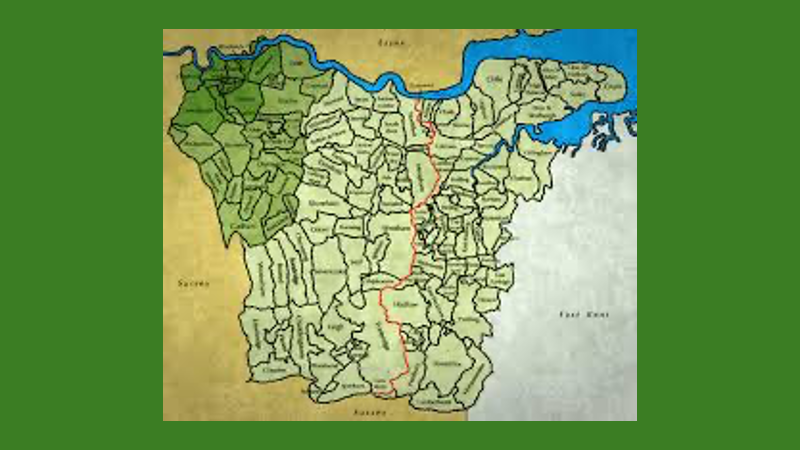
"On rogation day, beating the bounds (walking and marking the boundaries of the parish) was customary. In 1560 the men of Penge effectively ‘land grabbed’ part of Croydon parish by walking a wider route and insisting that the boundary lay elsewhere. The vicar of Croydon did not manage to stand up to them. The boundary remains there to this day!" (p121)
Whilst I suspect that a "land grab" of neighbouring parishes would be frowned on as a missional strategy in our 21st century Anglican world with its emphasis on collaboration and teamwork, the story has made me reflect on the importance of place and community. The third key priority in our HTSJ Mission Action Plan is to build on the longstanding traditions of both our legacy churches in serving the community in which we are set; to be a church for the community which reflects that community.
This service to the community has deep roots. The redesign of the Holy Trinity site after the fire in the 1990s was done with the vision to be a space for community at its heart, enabling ministry with older people via Meeting Point (the ministry currently being done through Open Doors) and the incredible growth of Living Well from small beginnings into the charity it is today. At our St John's site, CAP recently celebrated 15 years of being a debt centre in Penge, while a toddler group in one form or another has been running for over 40 years. Even further back, it was the first ever vicar of St John's who had the vision to open a school for boys in Penge - which became St John's Primary. Vicars come and go, and congregation members move on, but the commitment to place runs deep within the DNA of HTSJ.
Mother Anne from the community of Benedictine nuns at West Malling Abbey spoke at a meeting I was at this week. The first vow in the Rule of St Benedict is a vow of stability - a lifelong commitment to "staying put" - physically and spiritually - in a specific community and monastery, fostering strong communal bonds and actively seeking the presence and activity of God in the present moment and place, rather than assuming that the grass will be greener elsewhere. Mother Anne described the nuns at West Malling as being like trees - deeply rooted and, by their very presence, and their prayers, several times a day, every day, subtly changing the atmosphere.
On Saturday, Rogation Day, I will be walking the bounds of the parish... I will probably stray into our neighbouring parishes, but I promise not to land grab (frankly, I have enough work already!). I will, however, be praying for the people who live, work and go to school within our community day by day, and for God's blessing upon us in this coming year.